
How much is the fuel price surge actually costing your business?
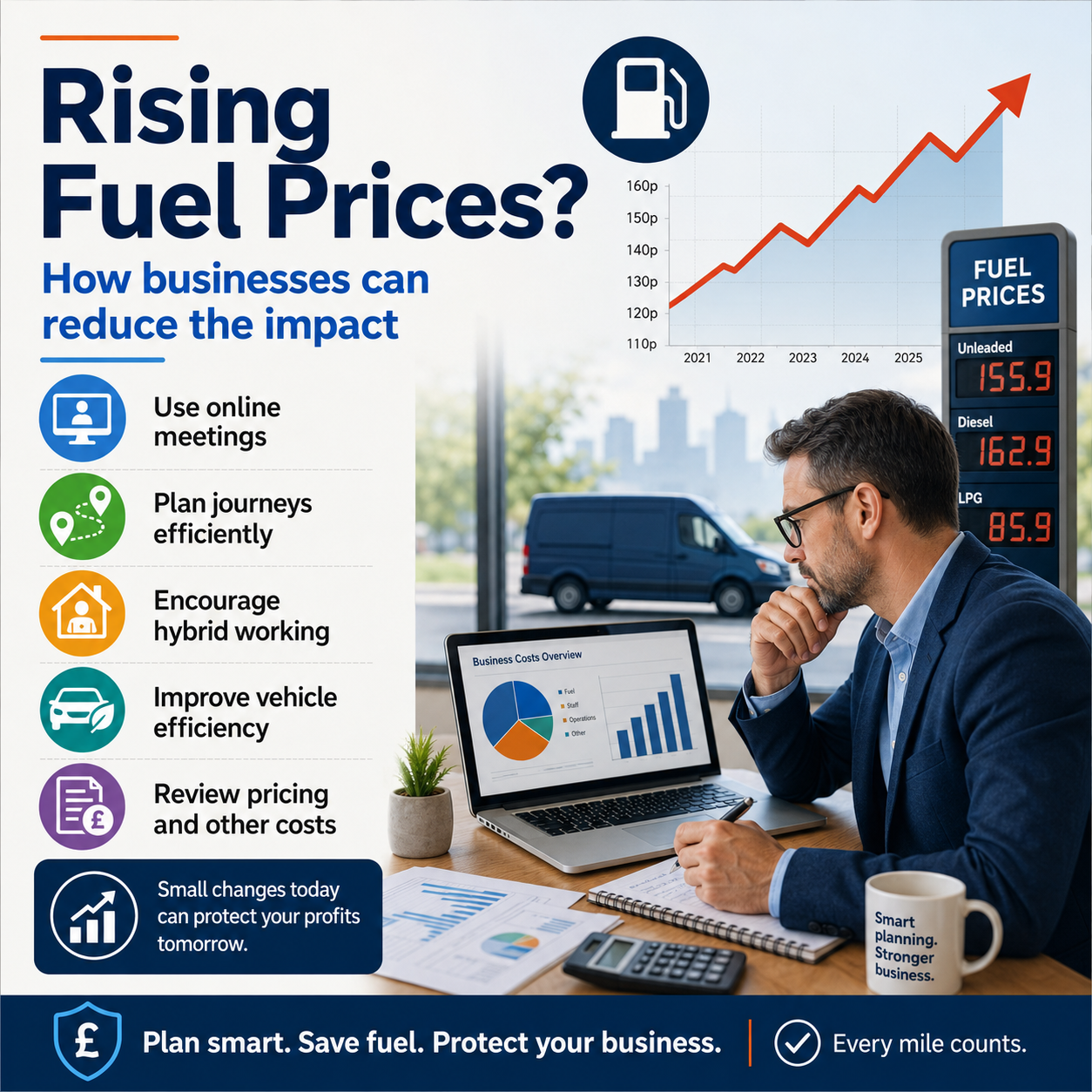
Most firms know fuel costs have jumped, but few have calculated the real impact on their bottom line. We're seeing clients discover they're spending significantly more on vehicle expenses than this time last year.
The knee-jerk reaction is to absorb these costs and hope prices drop. But that's backwards thinking. Smart businesses are using this pressure as a catalyst to streamline operations they should have refined years ago.
Start with your delivery routes. Take one client who switched from visiting customers in order of urgency to grouping visits by postcode. They now cover the same territory in three days instead of five, simply by planning geographically rather than chronologically.
Push hybrid working harder. When your team works from home two days a week, you eliminate the daily commute expense while freeing up time they'd otherwise spend in traffic. The savings compound quickly across multiple employees.
Maintain your vehicles properly. Under-inflated tyres alone can increase fuel consumption substantially. Remove unnecessary weight from vans and company cars.
Most businesses absorb rising costs without measuring the profit impact. If fuel expenses are genuinely hurting your margins, review your pricing. Take delivery charges as an example. If you're spending an extra £50 per week on fuel for deliveries, factor that into what you charge customers rather than watching your margins erode.
The real mistake is hoping costs will return to previous levels while your profits quietly disappear.
What changes have you made to offset higher fuel costs?